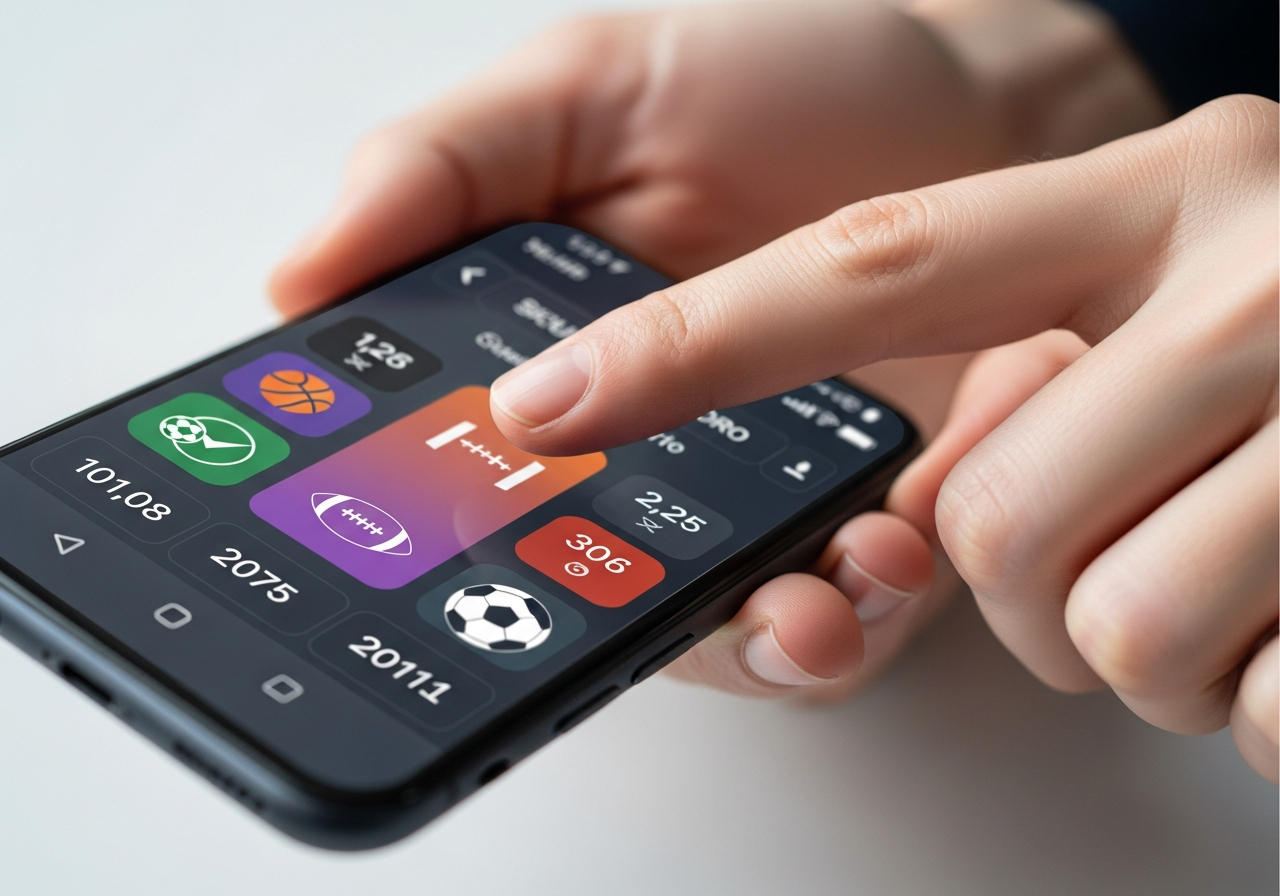
Here is something worth thinking about: online gambling deposits now take less time than brewing a cup of coffee.
Saved bank details, one tap to confirm, and the money is already gone before you have properly decided you wanted to spend it. That is not a flaw in the system — it is exactly how modern payment infrastructure is designed to work. Fast, frictionless, invisible.
The problem is that “invisible” and “in control” are not the same thing.
The Psychology Behind a Simple Tap
There is a concept in behavioural finance called payment friction — the small obstacles built into a transaction that give your brain a moment to catch up with your hand.
Cash has a lot of it. You have to go to an ATM, count bills, and physically watch the pile shrink. A saved card has almost none. An instant digital transfer has even less.
That gap matters most when you are not in a neutral emotional state — when you are stressed, bored, frustrated, or trying to outrun a recent loss. In those moments, low-friction payments do not just make spending easier. They make reconsidering harder.
Interac’s own payment-safety guidance at https://www.interac.ca/en/payments/personal/protect-your-payments/ covers how secure transfer systems work — but security and self-regulation are two completely separate things. A fully encrypted transaction can still be an impulsive one.
What Is Gigadat and Why Should You Know Its Name?
If you have ever made a deposit at a Canadian online gambling platform and then squinted at your bank statement wondering what that transaction reference means — Gigadat may be part of the answer.
Gigadat is a Canadian payment processor that can appear in gambling-related deposit and withdrawal flows, often through Interac-style banking connections. This overview of Gigadat gambling payments in Canada breaks down how it sits within those payment flows — the timing, the fees, the limits.
The reason this matters is not technical. It is psychological.
A transaction you do not recognize is a transaction you cannot track. When a deposit confirmation shows an unfamiliar name, it is easy to mentally detach from the money that actually moved. That small detachment is exactly how spending becomes harder to monitor.
Gigadat describes its own business as Canadian online banking payment solutions at gigadatsolutions.com. It is infrastructure. It does not set your limits, warn you about patterns, or send you a reality check at 1am. That part is entirely on you.
One practical habit worth building: look up how your gambling deposits appear on your real bank statement. Knowing the name makes it much harder to scroll past later.
Setting a Budget That Actually Holds
The best spending limit is the one you set before you are anywhere near a deposit screen.
Not after a loss. Not mid-session when you are telling yourself one more round will fix it. Before any emotional state gets involved.
The Lower-Risk Gambling Guidelines put a concrete number on it: keep gambling spending below 1% of household income before tax per month. Treat that as a hard ceiling, not a suggested target.
Keep gambling money in its own category
The Financial Consumer Agency of Canada’s budgeting guidance makes a simple point: budgets work when categories are clear. Gambling belongs in entertainment — and only there.
Not from rent. Not from groceries. Not from the emergency fund you have been quietly raiding for six months.
A mindset shift that helps: treat gambling money as already spent the moment you set it aside. If losing it would genuinely stress you out, it was never entertainment money to begin with.
Pair a money limit with a time limit
Money limits alone are weaker than they look. Long sessions erode decision-making in ways that are hard to notice from the inside — fatigue creeps in, frustration builds, and the desire to end on a win starts to override everything else.
A structure that works better:
- Fix a deposit amount before you start — and make it a one-deposit rule
- Write down a session time limit before you open anything
- Build in a 24-hour pause after hitting either limit
- Remove saved payment details when the session ends
iGaming Ontario’s player FAQ notes that regulated platforms must offer spend limits, time limits, breaks, and self-exclusion. Those tools are genuinely useful — but they work best when they mirror decisions you have already made, not when they are the only thing standing between you and a bad night.
When Spending Patterns Become Emotional Signals
There is a difference between going over budget and using gambling to manage how you feel. Both involve money, but they are different problems.
CAMH’s overview of problem gambling frames the issue around impact — on daily life, health, relationships, and finances. Through that lens, how you behave around transactions is as telling as how much you spend.
Chasing losses
The internal monologue usually sounds reasonable: just one more deposit, I’m due a win, I’ll stop once I’m even. It is not reasonable. It is the sound of frustration looking for a shortcut out of discomfort.
Every deposit made to recover a loss is driven by an emotional state, not a plan. Recognizing that pattern in yourself — even while it is happening — is more useful than any budget spreadsheet.
Hiding transactions
Deleting confirmation emails. Dismissing bank notifications before anyone else might see them. Using a separate account to keep things invisible.
Secrecy does not automatically mean addiction. But it does usually mean the behaviour has become harder to explain or defend — even to yourself. That feeling is worth sitting with rather than engineering around.
Gambling as a mood regulator
This one is subtle. It starts with I’m stressed and I want to unwind, which sounds fine. Then it becomes I’m stressed and I need to log in, which is something else entirely.
The distinction to practice: an emotional state and an action are not the same thing. Feeling tense does not require a deposit. When those two things start feeling automatic and connected, that is when a pause routine becomes genuinely important.
Before any stress-driven session, try this:
- Name the emotion, out loud or in writing
- Wait 20 minutes without opening anything
- Do something physical — walk, get water, step outside
- Then ask honestly: is this entertainment, or am I trying to change how I feel?
When Your Own Limits Are Not Enough
Needing external structure is not a failure of character. It is an accurate read of a situation where internal limits are under too much pressure to hold on their own.
The practical move is to build friction back in deliberately.
- Ask your bank what transaction controls it offers — daily limits, category blocks, or spending alerts
- Delete saved payment details after every session, so the next deposit requires a deliberate effort
- Use platform deposit limits on regulated sites — they exist specifically for this
- Consider self-exclusion if you need a formal break — a time-limited pause from all licensed platforms in your jurisdiction
None of these are magic. What they do is give the calm, clear-headed version of you a better chance against the version of you that has just had a frustrating night.
If gambling is affecting your sleep, your relationships, or your ability to cover basic expenses — speaking with someone is worth doing now, not after things get worse. Mental health guidance from CAMH is clear on this: harm starts well before a crisis point, in the quieter effects on health, daily functioning, and finances. You do not need to be certain something is wrong to ask a question.
Before You Deposit: Six Questions Worth Answering
Two minutes. Six questions. More useful than any platform tool.
- Am I calm right now, or am I reacting to something?
- Is this money already set aside as entertainment — separate from everything essential?
- Have I set a hard stop for both time and amount?
- Would I genuinely be okay if I lost this entire amount tonight?
- Am I choosing to play, or am I trying to change how I feel?
- Have I made a loss-chasing deposit in the past week?
More than one “no” means wait. Write down the amount you were considering, note the time, and come back when the emotional state has passed.
The 24-hour rule applies after any losing session — not because the next day is necessarily dangerous, but because urgency and genuine intention feel identical in the moment and very different the morning after.
Digital payments will keep getting faster. The pause has to come from somewhere else.